



The Stud Farm
LIPICA
WHERE IS LIPICA?
Lipica is lying in south-west Slovenia near the Italian border, in the land called Karst. The Karst is region of plains above the Gulf of Trieste . Hundreds years ago it was covered by oak woods but Venetians cut it for Venice . Now the Karst is covered by pines. It is a midland between the Adriatic sea and Julian Alps . It is a part of the Mediterranean and a part of large Karstic Slovenia made up of a limestone with a lot of underground caves.
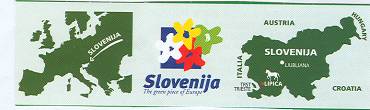
You can easies get to Lipica from anywhere. It takes a few hours by road from Italian, Austrian, Slovenian and Croatians cities, like Milan , Munich , Vienna and Zagreb . It takes only one-hour drive from Ljubljana and fifteen minutes from Trieste . There are two airports which are close to the
Karst-Ronchi in Italy and Brnik in Slovenia . Since 1857 a railway has gone across the Karst from Ljubljana to Trieste . You can see a lot of interesting things: caves, old stone made towns beautiful landscape and the oldest stud farm in the world Lipica.
HISTORY OF LIPICA
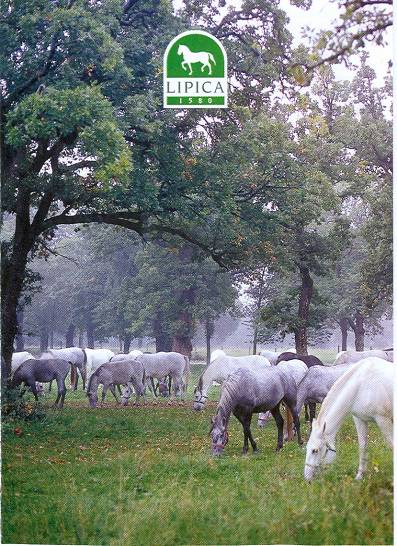
Habsburgs founded Lipica stud farm in 1580. The name of Lipica came from linden trees, called “lipa”. The Lipizzaner horse is the mixture of Karst horses and Spanish or Italians horses. The stud farm moved away from region only three times to avoid the war: the Napoleon wars, the first and the second world war.
LIPICA NOW DAYS
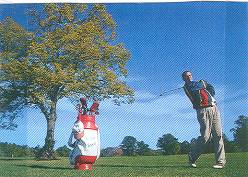
Lipica is a stud farm, quite big with 300 ha of pastures, woods and other surfaces. There are stables, performance Riding Hall, hippodrome, hotels, Vaulted Stable from 1703, galleries, Saint Anthony church, swimming pool, saunas, golf house, golf course, tennis, wedding hall, play grounds for children and a valley of Saint Mary. There are 200 employees working at Lipica. About 100000 tourists come to see Lipica every year.

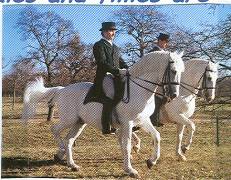
There are about 350 Lipizzaner horses, most of adults are grey-white. Many foals and fillies are brown and they change colour by years. Tourists can hire horses for riding and coaching trough the pastures and woods. They can also admire the demonstration of Spanish riding skills of horses. They also can play golf and visit August-Cernigoj gallery who was the most known Slovenian painter from Trieste .
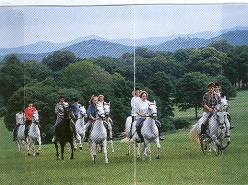
I have chosen Lipica because I like horses very much and I visited Lipica for three times.
Barbara Žvar Boškovič